
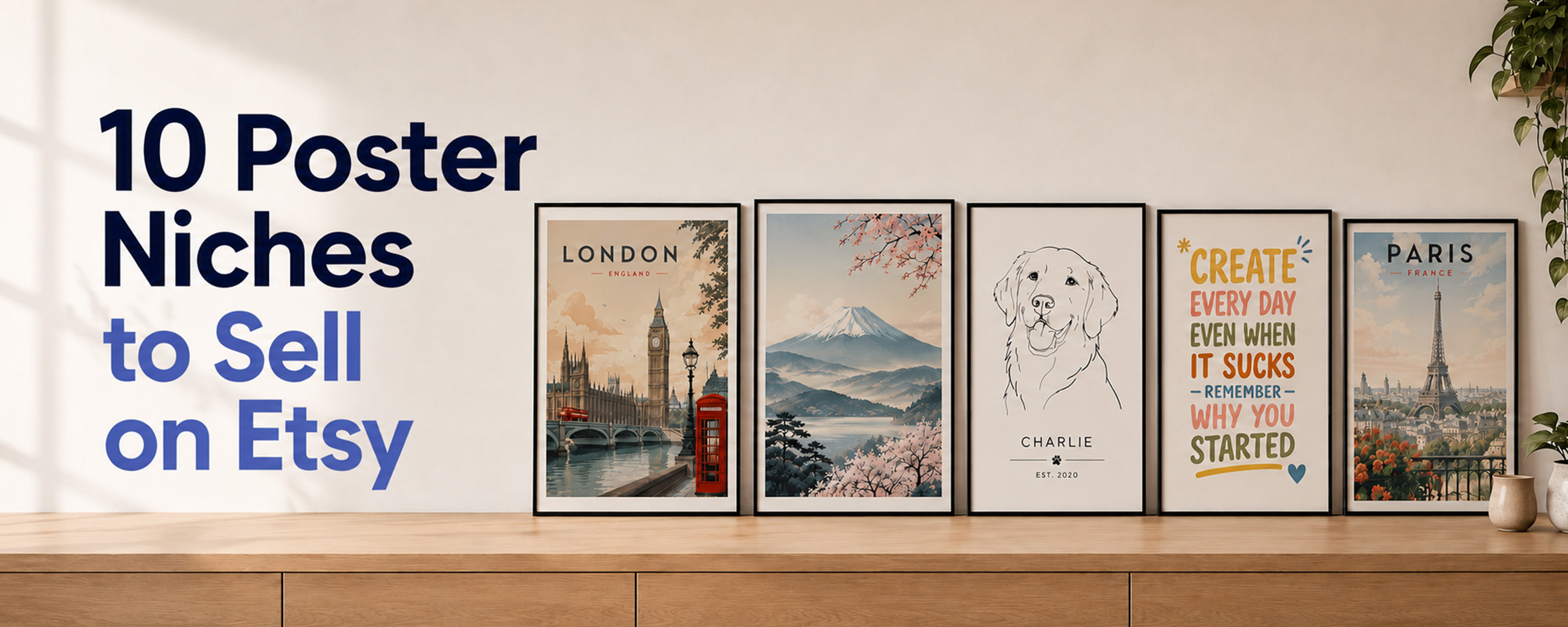
Finding the right poster niches to sell on Etsy could help you turn a simple product into an entire collection for your store.
Posters give customers an affordable way to personalize their homes, offices, dorm rooms and other spaces. For print-on-demand store owners, they also offer plenty of creative freedom. One design idea can become multiple poster sizes, color variations, coordinated sets or personalized products.
The demand is there too. Etsy’s Spring and Summer 2026 trend report found that searches for “wall art decor” had increased by 110%. Etsy also encouraged sellers to create coordinated collections and help shoppers imagine how different pieces could work together in their homes.
However, simply uploading a generic design and calling it wall art is unlikely to help your store stand out.
The most effective poster ideas are usually created for a specific type of customer, room, interest or occasion. Instead of trying to appeal to everybody, successful poster sellers give a particular customer a reason to think:
That would look perfect in my space.
Before exploring ten poster niches you could add to your Etsy store, it is important to consider another part of the product that can affect how your design looks: the finish.
Gloss vs. Matte Posters: Which Finish Should You Choose?
teelaunch posters are printed on sturdy 210 gsm paper using a four-color, water-based inkjet printing process. Store owners can offer their artwork in either a matte or glossy finish, giving customers more choice over how the final poster looks in their space.
The finish should not be treated as an afterthought. It can influence how customers experience the colors, details and overall style of your design.
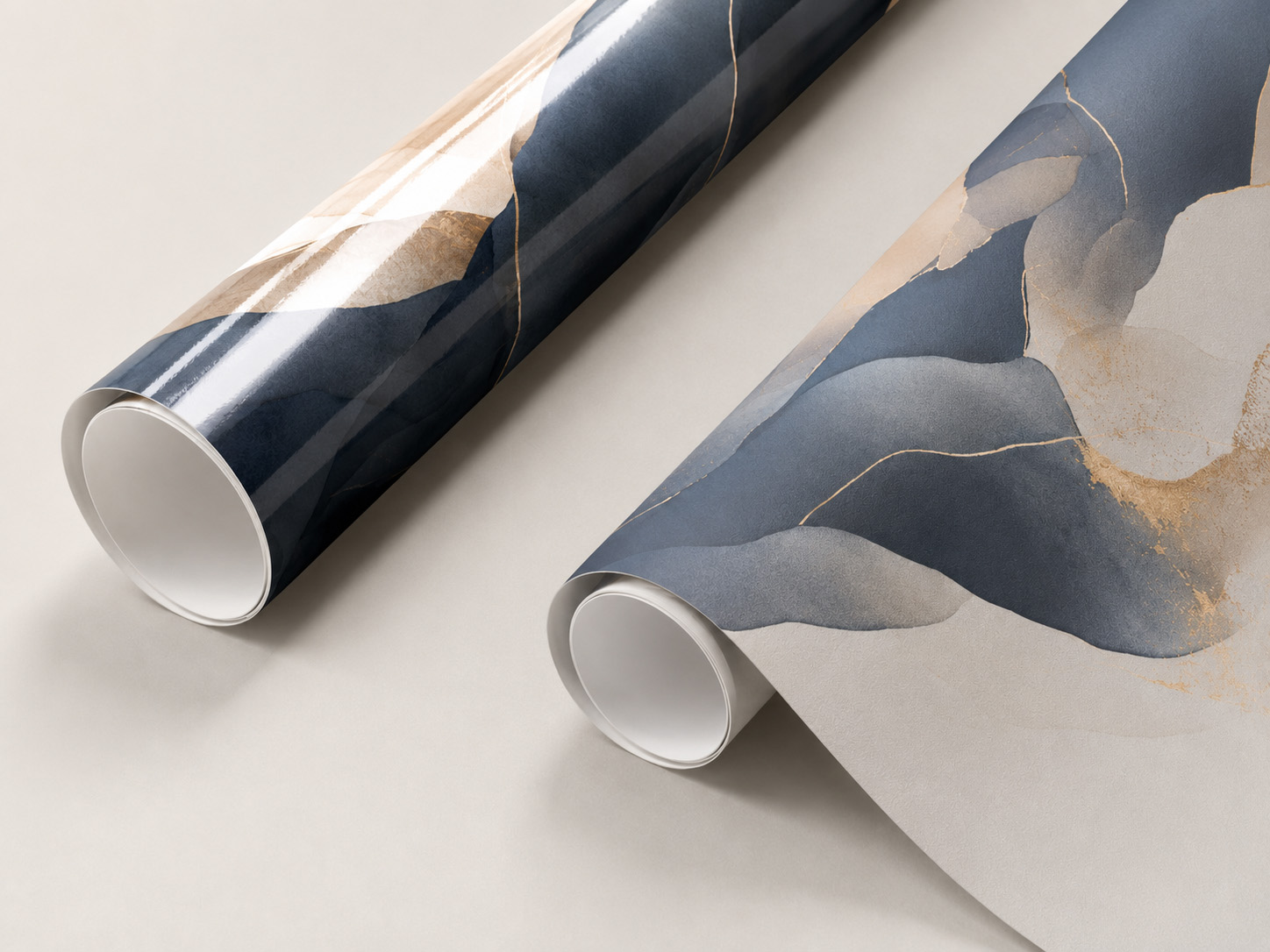
When to Choose a Glossy Finish
A glossy finish reflects more light and can help colors appear bright, sharp and vibrant.
It can work particularly well for:
- Colorful photography
- Bold graphic designs
- Pop art
- High-contrast artwork
- Bright sports-inspired designs
- Food and drink photography
- Posters with deep blacks or saturated colors
Glossy posters can create a polished, energetic appearance, making them a strong choice when color is one of the main selling points.
However, glossy surfaces are more reflective. Sellers should consider where the poster is likely to be displayed and use mockups that accurately represent the finish.
When to Choose a Matte Finish
A matte finish creates a softer, less reflective appearance. teelaunch specifically recommends matte paper for helping reduce glare and visible fingerprints.
Matte can be a good fit for:
- Minimalist artwork
- Typography posters
- Vintage-inspired designs
- Nursery wall art
- Detailed illustrations
- Neutral color palettes
- Botanical artwork
- Posters designed for brightly lit rooms
It can also give designs a more understated, gallery-style appearance.
Let the Design Guide the Finish
There is no single finish that is best for every poster.
A vibrant travel photograph might benefit from gloss, while a muted vintage travel illustration may feel more natural on matte paper. A colorful children’s alphabet poster could work in either finish, depending on whether you want the result to feel bright and playful or soft and calming.
Where possible, consider offering both options. This allows the customer to choose the finish that suits their room and gives you another useful feature to highlight in your Etsy listing.
With the product options covered, let’s look at ten poster niches that could inspire your next collection.
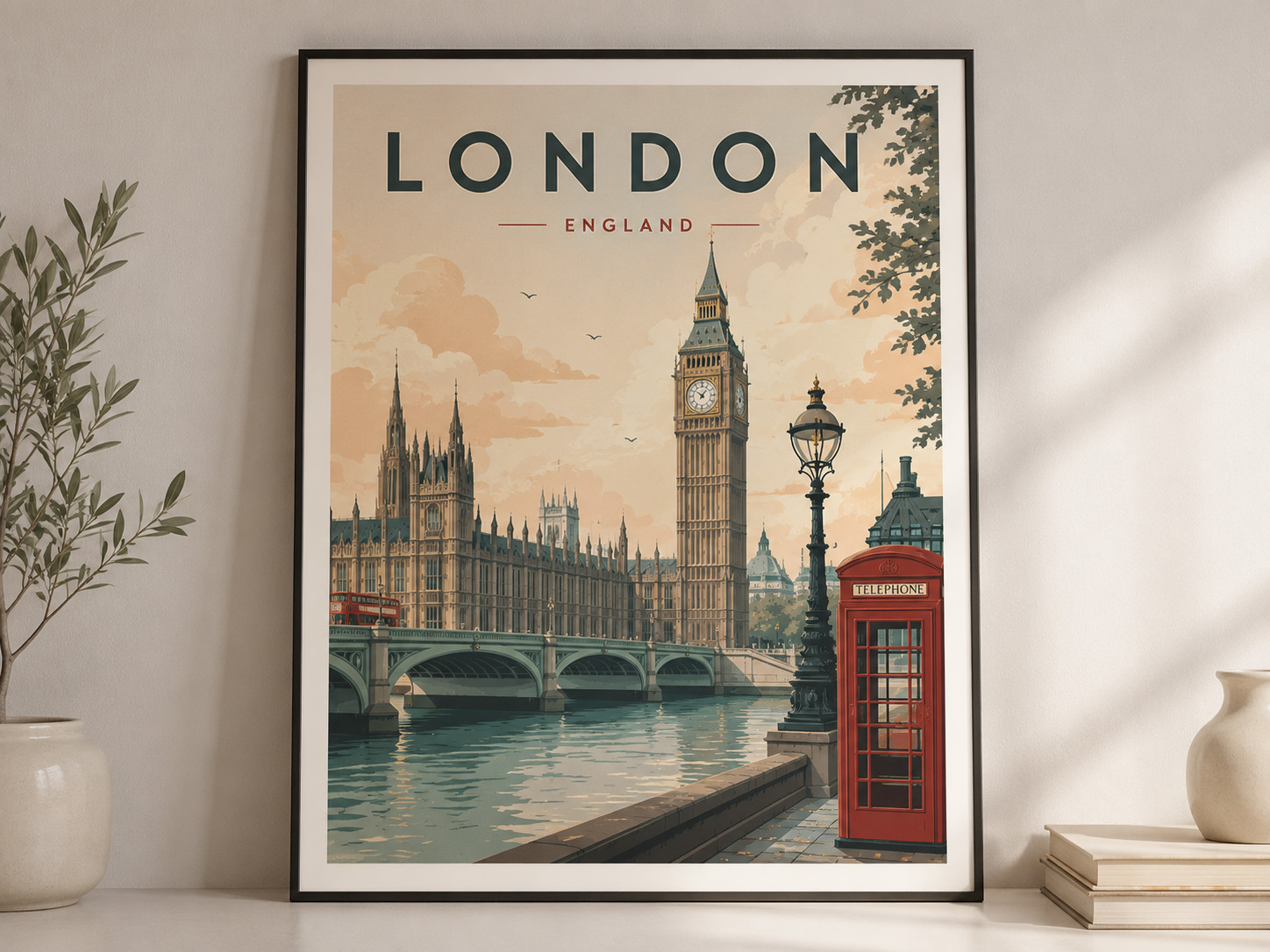
1. Personalized Location and Map Posters
People often feel a strong connection to particular places.
It could be the town where they grew up, the city where they met their partner, a favorite vacation destination or the location of their wedding. Personalized location posters turn that connection into meaningful wall decor.
Potential ideas include:
- Hometown map posters
- First-home location prints
- Wedding venue coordinates
- Favorite travel destination posters
- University town maps
- State or city illustrations
- “Where we met” designs
The real opportunity here is personalization. Adding a name, date, location or short message can transform a general design into a gift for a wedding, anniversary, housewarming or graduation.
Keep the design flexible by creating a repeatable template. You can then personalize each order without rebuilding the entire poster from the beginning.
Finish idea: Matte can work well for minimalist maps and neutral designs, while gloss may suit colorful city photography or illustrated skylines.
2. Nursery and Children’s Room Posters
Parents often use wall art to create a theme for a nursery, bedroom or playroom.
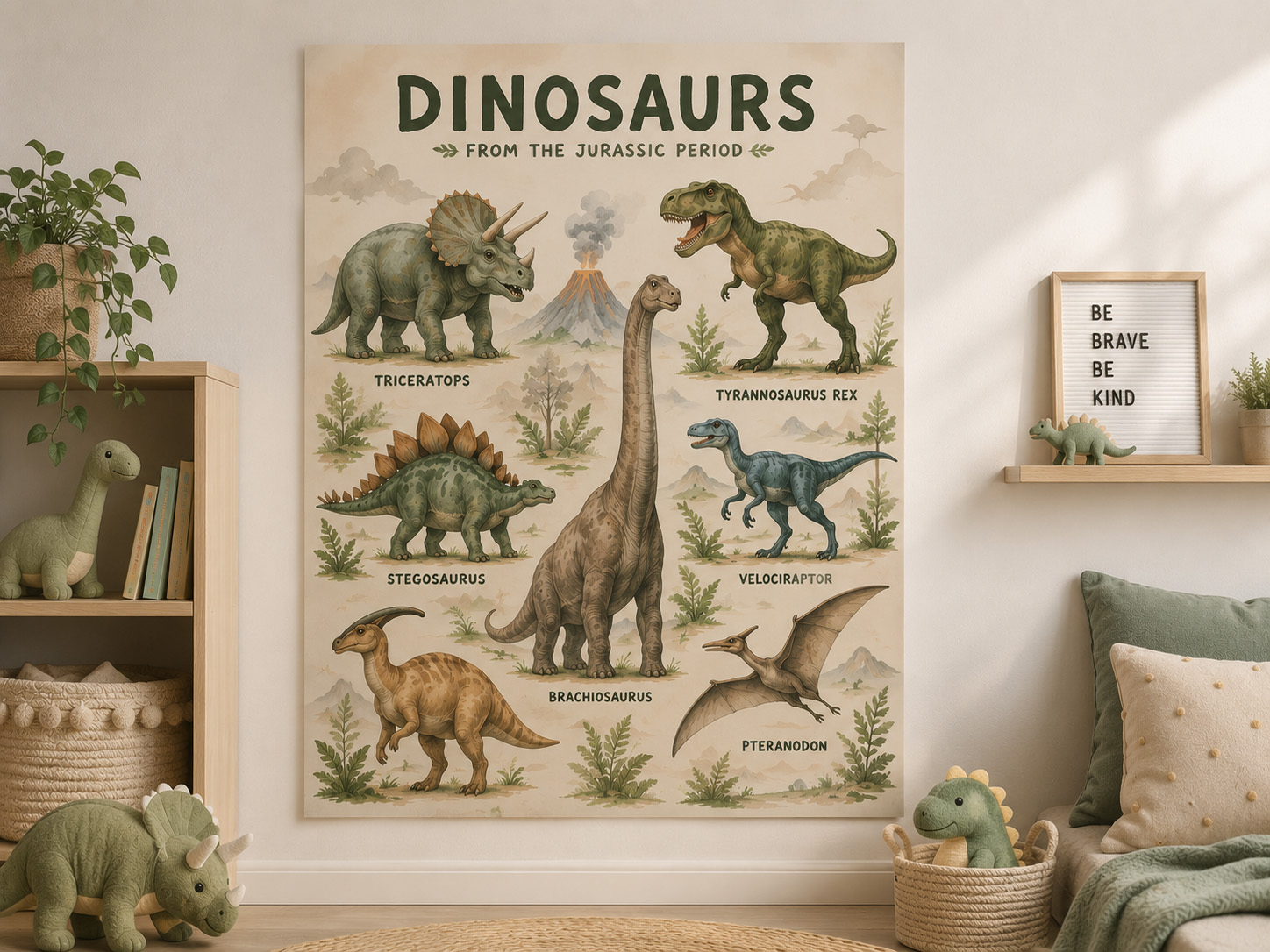
Instead of selling one standalone poster, think about how you could build a coordinated collection. A seller might create a set of three animal illustrations, an alphabet poster and a matching personalized name print using the same colors and design style.
Possible themes include:
- Woodland animals
- Dinosaurs
- Space and planets
- Ocean creatures
- Farm animals
- Construction vehicles
- Rainbows and clouds
- Alphabet and number posters
- Personalized name designs
- Sports-themed nurseries
Nursery posters can also be purchased as baby shower gifts, new-baby gifts or birthday presents.
Avoid making overly broad “kids’ art.” Choose a clear style and audience, such as neutral woodland nursery decor, colorful dinosaur bedroom art or vintage sports posters for a child’s room.
Finish idea: Matte complements soft colors, illustrations and calming nursery designs particularly well.
3. Hobby and Interest Posters
Customers often decorate their spaces with items that reflect what they enjoy doing.
This creates opportunities to design posters around specific hobbies, professions and communities. The more clearly defined the interest, the easier it can be to understand the customer you are designing for.
Ideas might include:
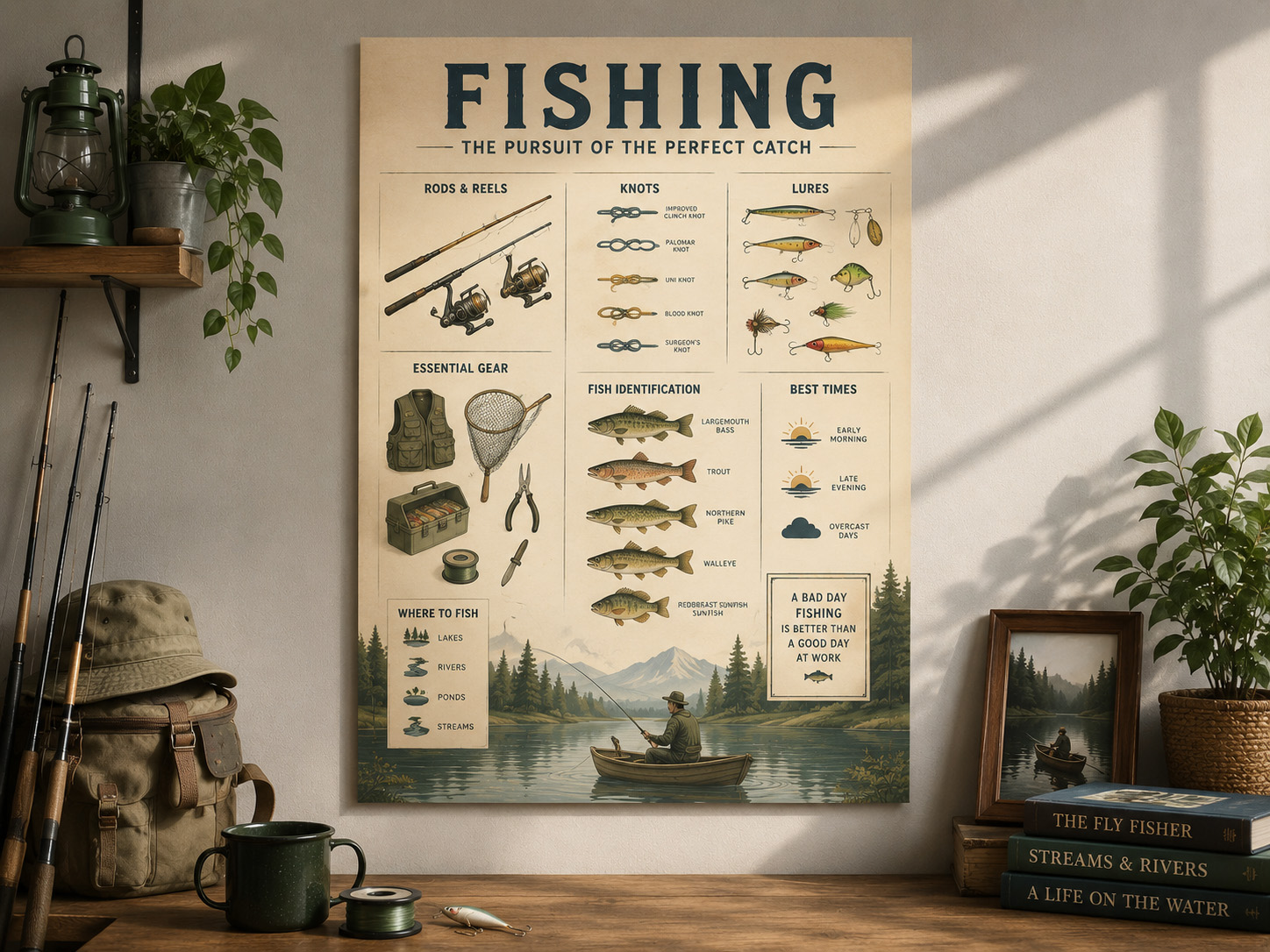
- Fishing
- Golf
- Gardening
- Hiking
- Camping
- Baking
- Gaming
- Reading
- Sewing
- Photography
- Cycling
- Coffee making
Rather than placing the name of a hobby in large text, look for more original ways to represent it. You could create illustrated equipment guides, humorous definitions, checklists, diagrams or typography based on sayings that you have written yourself.
A camping poster, for example, could feature an illustrated checklist of outdoor essentials. A coffee poster could show different brewing methods. A gardening collection could feature individual herbs, vegetables or flowers.
This makes the product feel designed for an enthusiast rather than created for a generic audience.
Finish idea: The best finish will depend on the style. Detailed educational illustrations may suit matte, while bold gaming graphics may benefit from gloss.
4. Sports-Inspired Posters
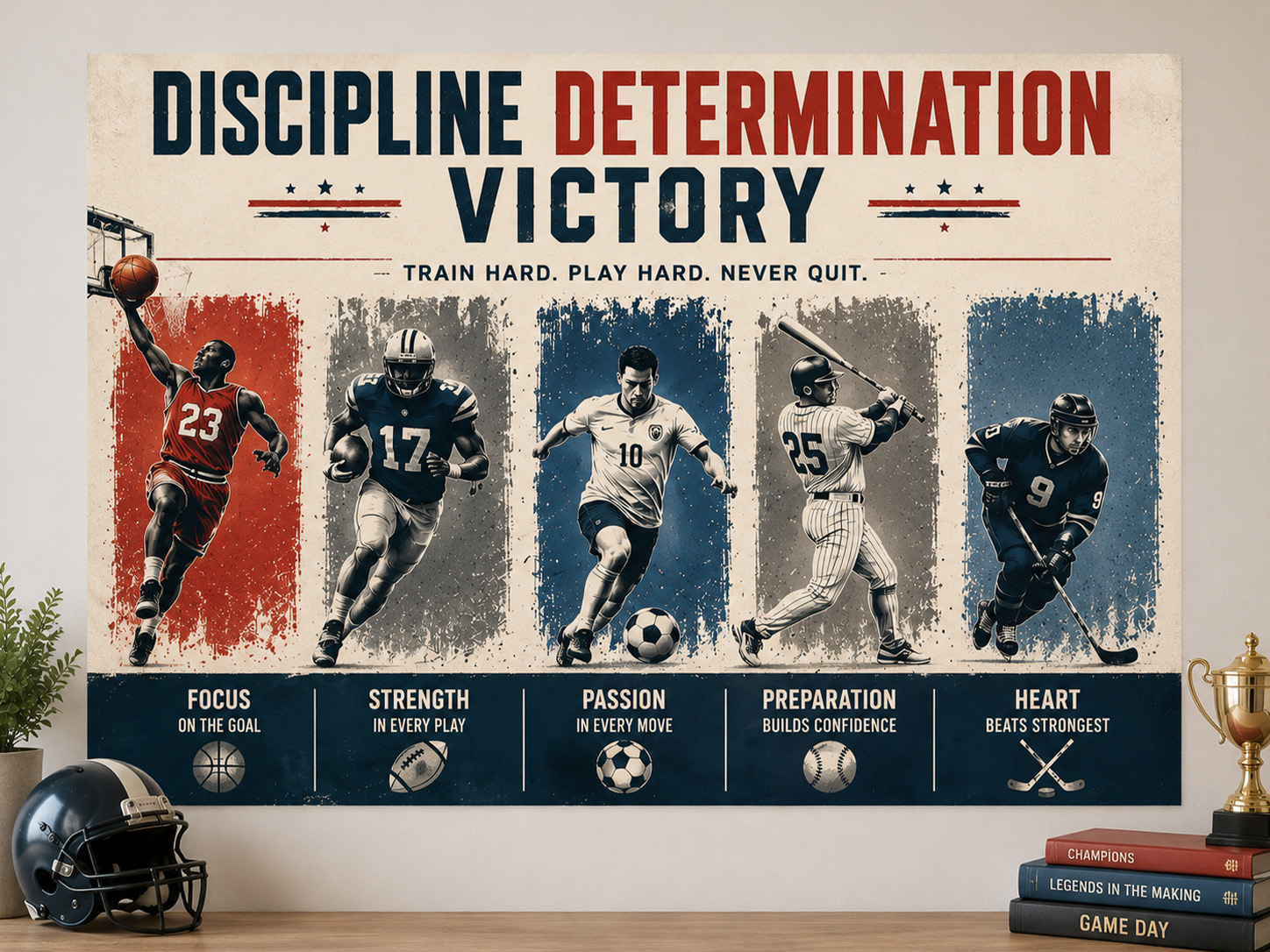
Sports fans enjoy displaying their interests in bedrooms, home offices, gyms, game rooms and entertainment spaces.
Instead, sellers can develop original designs around the broader culture of a sport rather than relying on protected team logos, player images, or league branding.
Potential directions include:
- Original motivational sports quotes
- Equipment illustrations
- Field, court or course diagrams
- Personalized player-name posters
- Youth sports achievement prints
- Sports terminology designs
- Vintage-inspired generic sports artwork
- Posters for coaches, players or sports parents
Personalization can make this niche especially useful for youth sports. A poster featuring a player’s name, number, position and season could become a keepsake for the player or a gift for their family.
Make sure any fonts, illustrations, phrases and graphic elements you use are either your own or properly licensed. Avoid using team names, logos, player photographs or other protected material without permission.
For example, gloss can make bold colors and high-energy graphics stand out, while matte works well for vintage or minimalist sports designs.
5. Retro and Nostalgic Posters
Nostalgia continues to influence interior design, fashion and online culture.
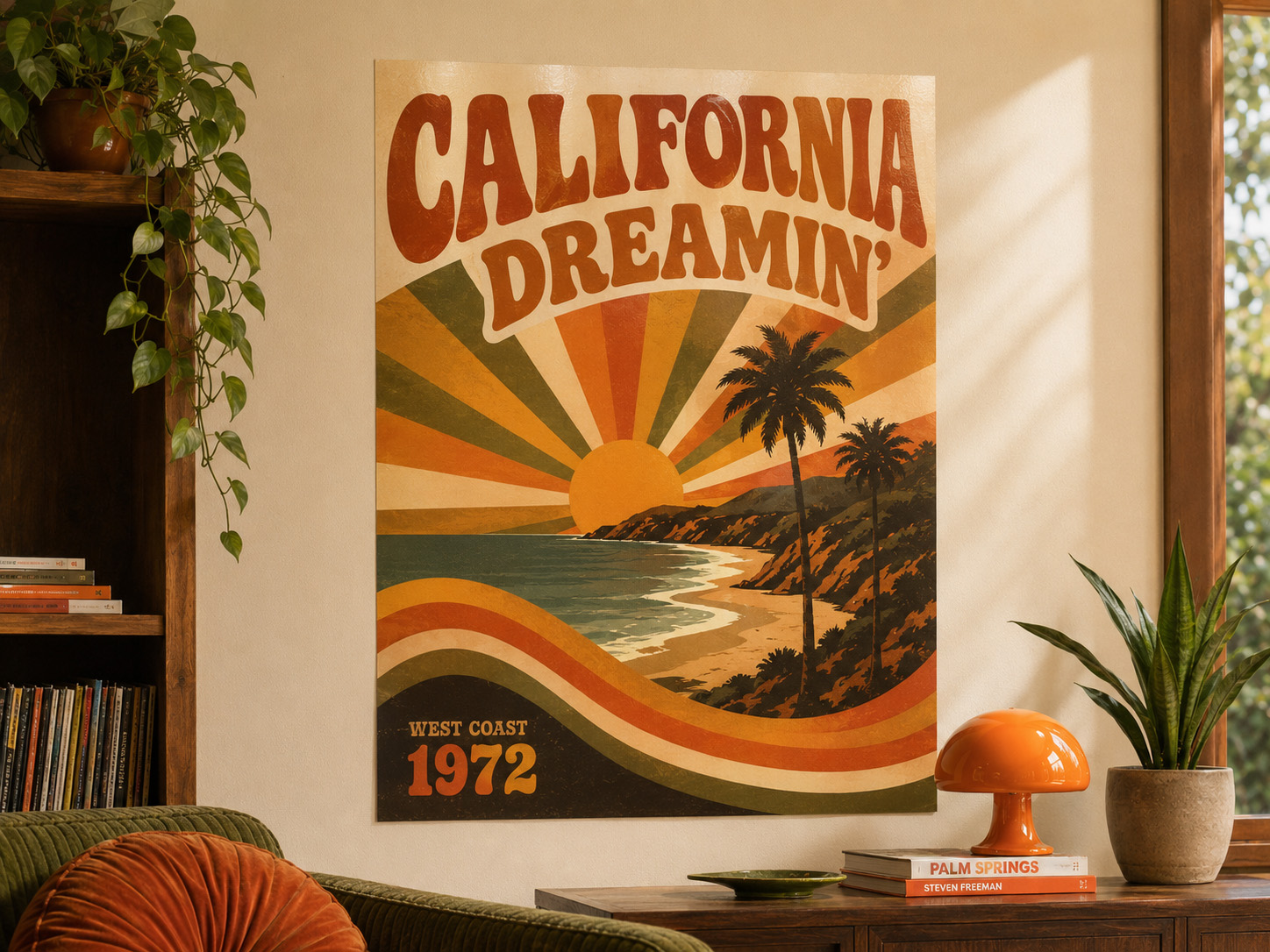
Retro posters can help customers bring the colors and character of another era into their space. The key is to choose a specific visual direction rather than combining every vintage trend into one design.
You could explore:
- Mid-century-inspired graphics
- Seventies color palettes
- Eighties geometric designs
- Nineties-inspired typography
- Vintage advertisements for fictional brands
- Retro travel illustrations
- Old-school hobby posters
- Vintage botanical or animal artwork
Originality still matters. Instead of reproducing an old advertisement or copying an existing movie poster, create new artwork influenced by the visual characteristics of an era.
For example, you might create an original national park illustration using a vintage-inspired palette or a fictional coffee advertisement styled like a mid-century print.
Finish idea: Matte can enhance the softer, printed appearance associated with vintage artwork.
6. Food, Coffee and Kitchen Posters
Kitchens, dining rooms, cafés and home bars all create opportunities for posters.
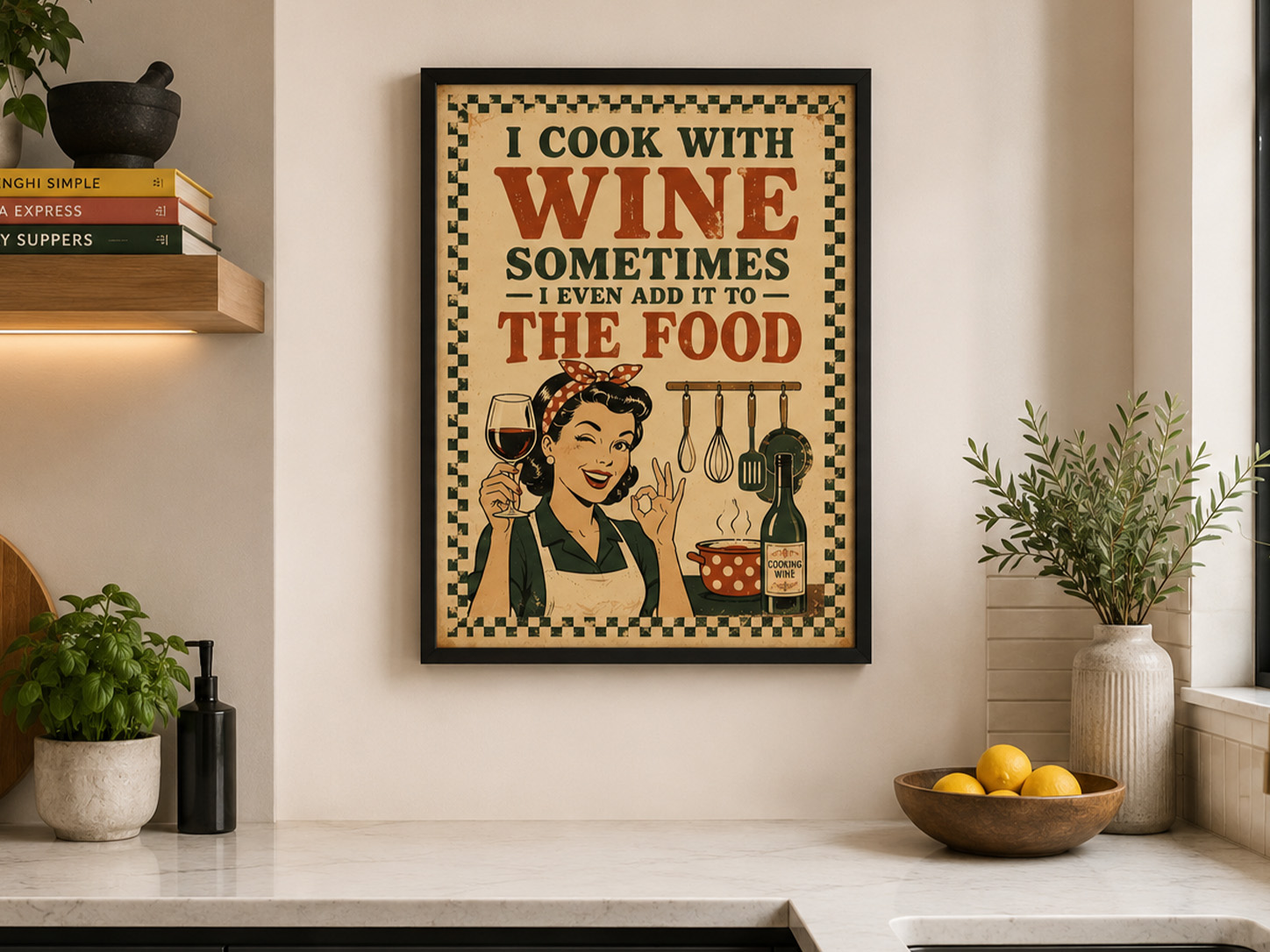
Food and drink designs can be decorative, useful, humorous or educational. They can also be created around very specific interests, making it easier to target particular shoppers.
Ideas include:
- Coffee brewing guides
- Cocktail recipes
- Pasta shape illustrations
- Herb and spice charts
- Wine-inspired typography
- Baking measurement guides
- Seasonal produce calendars
- Cheese or bread illustrations
- Kitchen humor
- Personalized family recipe posters
Consider the type of space in which the poster will be displayed. A minimalist espresso guide may suit a modern kitchen, while a bold illustrated cocktail poster could work in a home bar.
You can also create small coordinated collections. A coffee seller might offer separate posters for espresso drinks, brewing methods and coffee bean varieties.
Finish idea: Gloss is useful for colorful food photography and saturated illustrations. Matte can suit recipe posters, line drawings and vintage kitchen designs.
7. Pet and Animal Posters
Pet owners frequently look for products that celebrate their animals, while animal-themed artwork can work across nurseries, offices and living spaces.
You could create:
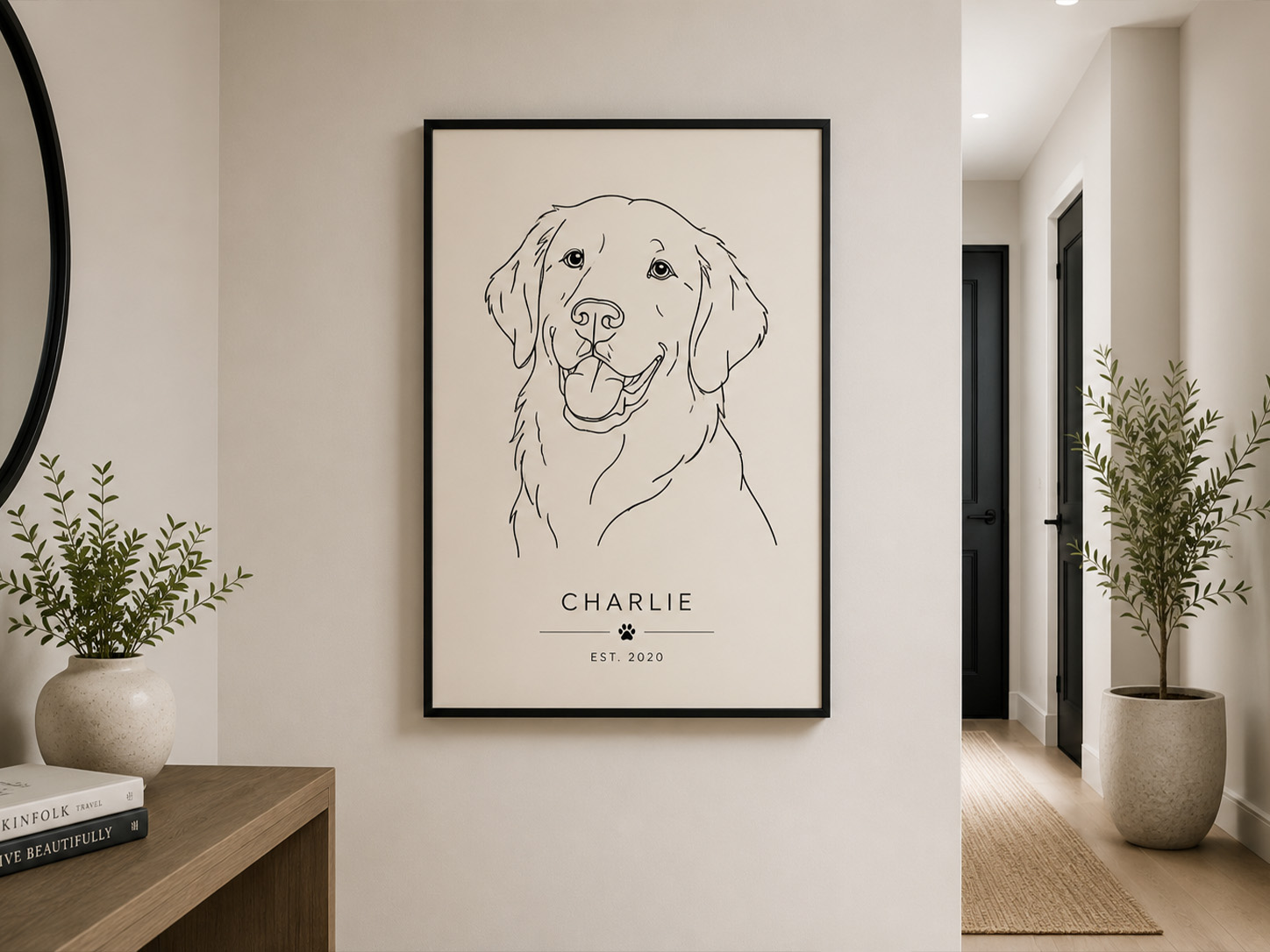
- Personalized pet portraits
- Breed-specific illustrations
- Pet name posters
- Memorial prints
- Funny pet-owner quotes
- Wildlife artwork
- Animal fact posters
- Children’s animal collections
- Minimalist line-art portraits
Personalized pet products can carry strong emotional value. A customer may be buying for their own home, as a gift for another pet owner or as a memorial for an animal that has passed away.
Develop a consistent system for personalization. Clearly explain what photograph or information the customer needs to supply, what changes are included and how the finished design will look.
For non-personalized artwork, consider building collections around one clear style, such as colorful dog breed illustrations or minimalist black-and-white cat prints.
Finish idea: Gloss can work well for photographic portraits, while matte complements illustrations and line art.
8. Motivational and Typography Posters
Typography posters can be relatively simple to design, but that does not mean they should feel generic.
Common motivational phrases already appear across countless products. To create something customers are more likely to remember, focus on a particular audience or situation.
For example:
- Motivation for runners
- Encouragement for small-business owners
- Study reminders for students
- Positive classroom messages
- Gym and fitness sayings
- Office productivity posters
- Parenting humor
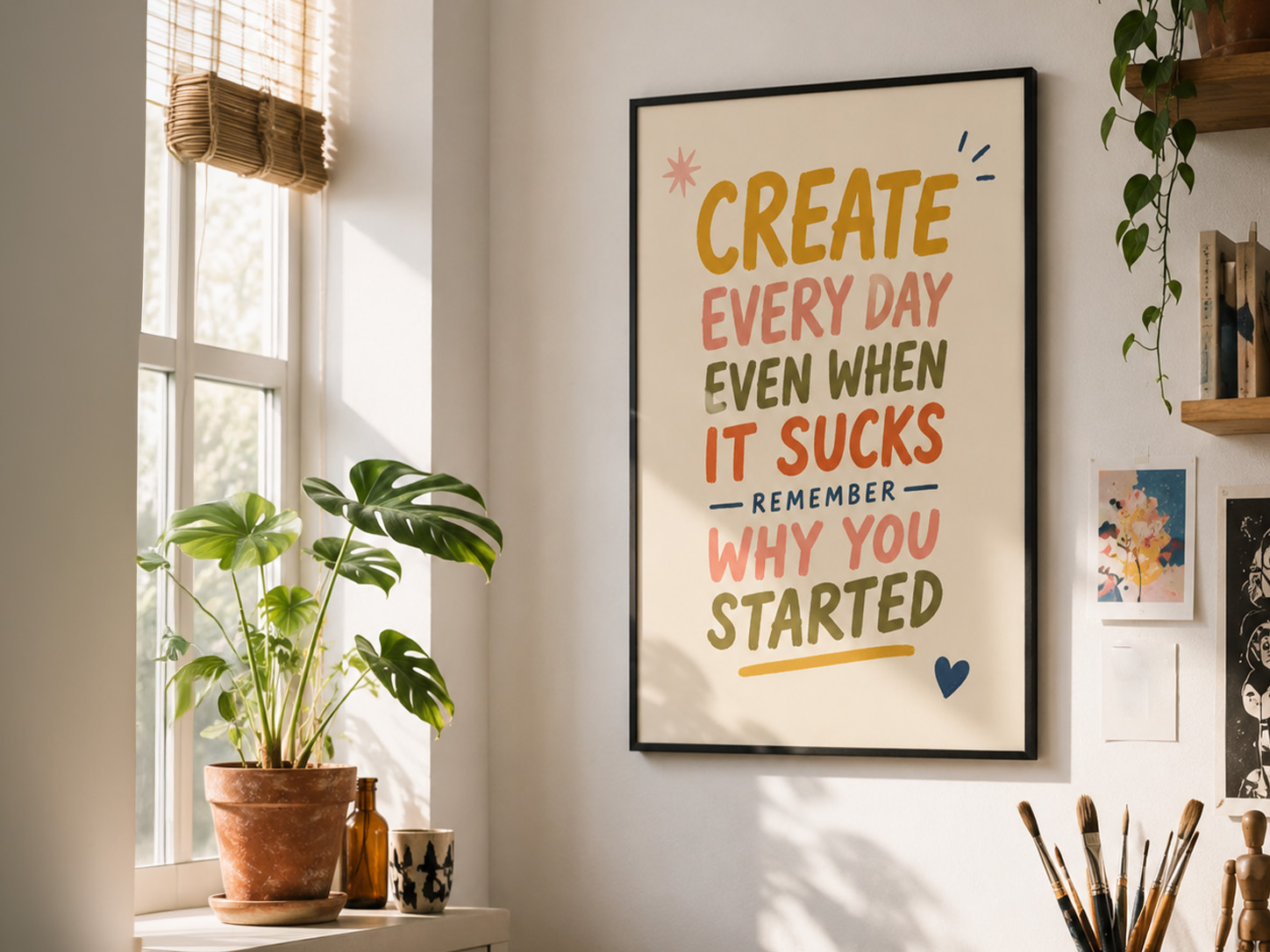
- Creative reminders for artists
- Original affirmations
The typography itself should become part of the artwork. Experiment with scale, spacing, composition and carefully selected font combinations.
Make sure you have the correct commercial rights for every font you use. You should also check that your chosen phrase is not protected or strongly associated with another brand.
Finish idea: Matte is often a natural choice for typography because it keeps text clear without strong reflections.
9. Botanical and Nature Posters
Nature-inspired artwork can fit into many interior styles, from neutral minimalist rooms to colorful maximalist gallery walls.
Possible themes include:
- Wildflowers
- Houseplants
- Herbs
- Trees
- Mushrooms
- Coastal landscapes
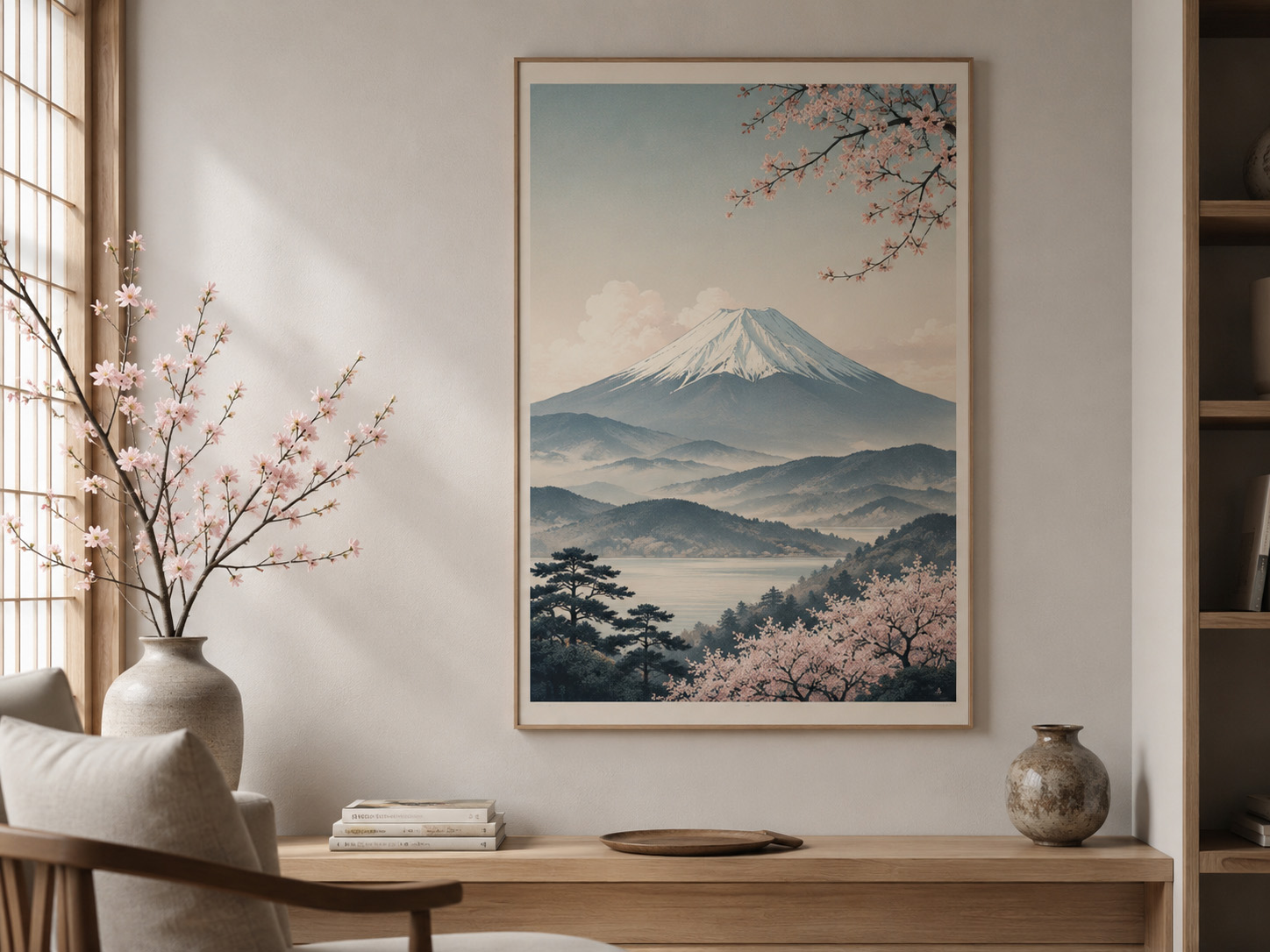
- Mountains
- National park-inspired scenery
- Birds and insects
- Seasonal flowers
- Educational botanical diagrams
You can make the niche more specific by combining the subject with a style or audience. Instead of simply creating “a flower poster,” you might develop vintage wildflower illustrations for cottage-style kitchens or bright tropical plant prints for colorful home offices.
Nature collections are also well suited to sets. Three coordinating flower prints or a series of coastal landscapes can help customers fill a larger wall while increasing the potential order value.
Finish idea: Matte complements delicate botanical illustrations and muted landscapes. Gloss can bring out the color in tropical artwork and photography.
10. Coordinated Gallery Wall Sets
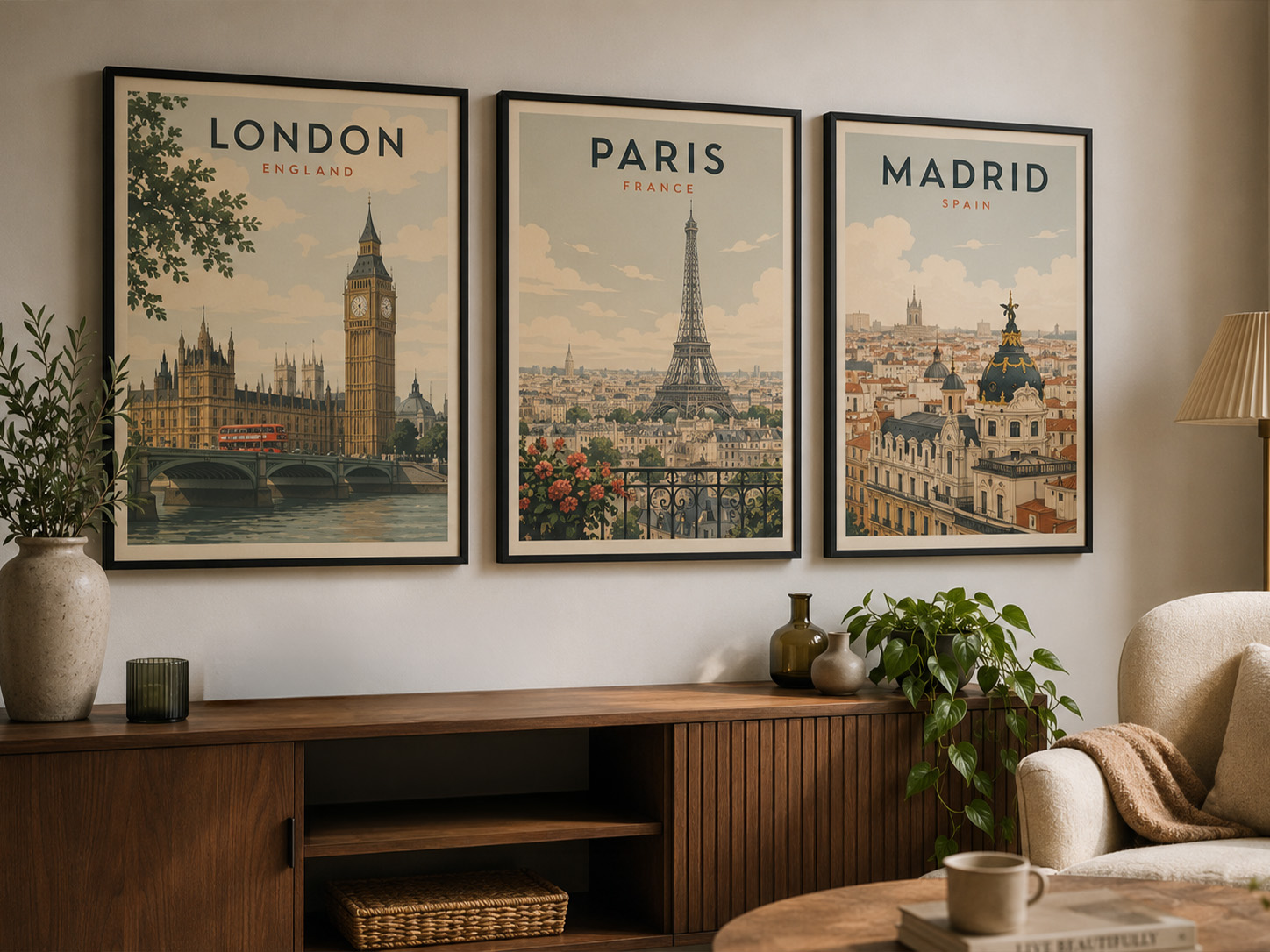
A gallery wall collection gives customers several posters designed to work together.
This can remove some of the uncertainty involved in choosing wall art. Rather than asking customers to build a coordinated display themselves, you can show them a ready-made combination.
Etsy’s 2026 trend guidance specifically recommends cohesive collections, gallery-wall mockups and clear sizing information to help shoppers understand how multiple pieces could look together.
Your collection could include:
- Three posters using the same color palette
- A mixture of typography and illustration
- A themed nursery set
- A coordinated sports collection
- Botanical print sets
- Travel poster collections
- Kitchen art sets
- Abstract geometric designs
- Mix-and-match hobby posters
You do not necessarily need to sell every design as one physical bundle. You can create individual listings while showing customers which other prints coordinate with each poster. This encourages shoppers to explore more of your store and gives you opportunities to cross-sell related designs.
Turn Designs Into Posters
You do not need to predict one design that every Etsy shopper will want.
Start with a clearly defined customer. Choose a niche connected to their interests, space or occasion. Then create an original poster that gives them a specific reason to add it to their home.
With teelaunch, you can add your artwork to high-quality posters, offer matte and glossy finishes and give customers a selection of sizes without purchasing inventory in advance. When a customer orders from your connected store, the product is printed and shipped for you.
That means you can spend less time worrying about stock and more time developing your next collection.
Whether you begin with personalized maps, nursery art, pet portraits or gallery-wall sets, posters give you room to test ideas, reach new audiences and expand your storefront with designs customers can make part of their everyday spaces.
Start with one niche, build a small coordinated collection and learn which designs connect with your audience.
Your next bestselling product could be hanging on somebody’s wall.
Top tips for selling posters on Etsy
How to Choose the Right Poster Niche for Your Store
You do not need to launch products in all ten niches.
A focused poster collection is often easier to market than a store filled with unrelated designs. Start by considering three things:
Your Existing Audience
If you already sell products for pet owners, sports parents or outdoor enthusiasts, begin with posters created for that same group.
You already understand the customer, and the poster becomes a natural extension of your existing product range.
Your Design Strengths
Choose a niche that suits the way you like to create.
Photographers may be better positioned to sell travel, landscape or pet photography. Illustrators might focus on nursery, botanical or hobby designs. Designers who enjoy working with type could build a collection of original motivational posters.
The Customer’s Reason to Buy
Before creating a poster, ask:
- Who is this for?
- Where will they display it?
- Is it decor, a gift or a keepsake?
- Why would they choose this design over another?
- Could personalization make it more meaningful?
- Could the design become part of a larger collection?
These questions help move the idea from “something that looks good” to a product created with a particular customer in mind.
Finish idea
Use the same finish across the collection so the posters look consistent when displayed together.
Tips for Selling Posters on Etsy
Choosing a niche is only the beginning. Your Etsy listing also needs to help shoppers understand exactly what they are buying.
Use Lifestyle Mockups
Show the poster displayed in a realistic room that suits the target audience.
A nursery poster should appear in a nursery. A gaming design should be presented in a gaming room, bedroom or home office. A kitchen guide should be shown in a kitchen or dining space.
The setting gives the customer context and helps communicate the intended size and style.
Show the Available Sizes Clearly
Customers can find poster dimensions difficult to visualize.
Include a simple size guide and show how different options might look above a desk, bed, sofa or other piece of furniture. Make it clear whether a frame is included and explain that colors can vary slightly between screens and printed products.
Include Close-Up Images
Shoppers may want to see the typography, texture and smaller details before ordering.
Use close-up listing images alongside the full-room mockups. When offering both matte and glossy finishes, explain how each option affects the appearance.
Create Related Designs
Do not stop after creating one poster.
Consider how the same idea could become:
- A different colorway
- A personalized version
- A matching set
- A horizontal variation
- A design for another room
- A second poster aimed at the same customer
A strong niche gives you room to build a recognizable collection rather than relying on one listing.
Use Specific Etsy Keywords
Describe what the poster is, who it is for and where it might be displayed.
A phrase such as “personalized golf poster for boys’ bedroom” communicates more than “cool wall art.” Specific wording helps customers recognize that the product was designed for their needs.
Use keywords naturally in your title, description and tags rather than repeating the same phrase unnecessarily.