

From Thomas, teelaunch’s Chief Vision Officer
If you’ve been in print on demand for more than five minutes, you’ve probably noticed the shift: generic designs are getting noisier, ads are getting pricier, and “good enough” product pages don’t convert like they used to. The stores that keep winning are the ones that feel personal.
That’s why we invited Customily to write today’s guest post. They’re one of the strongest tools out there for turning standard POD products into easy, interactive personalized experiences—the kind that help shoppers say “this is mine” before they ever hit checkout.
Our goal with this series is simple: help you understand why personalization is booming, and show you how the Customily + teelaunch workflow can make personalized products far more approachable—without turning your day into a manual file-management job.
Alright—Customily, take it away.
The e-commerce landscape has changed dramatically over the past few years. Products that once sold easily are now facing intense competition, rising advertising costs, and increasingly demanding customers. For many online sellers, especially those using print-on-demand, the biggest challenge today is differentiation.
When hundreds of stores can sell the same blank products and similar designs, the only lever left is often price. That model becomes fragile very quickly.
This is exactly why personalized products have become one of the fastest-growing segments in e-commerce.
Across categories like jewelry, drinkware, home décor, and apparel, customers are increasingly choosing products that feel unique to them. Names, meaningful dates, family illustrations, location maps, and personal photos are turning everyday items into emotionally meaningful products.
For e-commerce sellers, personalization is no longer just a creative feature. It is becoming a core strategy for building profitable stores.
The Rise of Personalized Products in E-commerce
Personalization changes how customers interact with products.
Instead of simply selecting an item and adding it to their cart, shoppers actively participate in the creation process. They type their name, upload photos, or customize design elements, watching the product update in real time.
This interaction has a powerful effect on buying behavior.
First, personalized products typically generate higher conversion rates. When customers see their own information reflected in a product preview, they develop a stronger sense of ownership before checkout.
Second, personalization increases perceived value. A standard mug might sell for a modest price, but a mug featuring a personalized name or message often sells for significantly more.
Third, personalized products are far less vulnerable to price comparison. When every design is unique to the buyer, it becomes much harder for customers to compare the product with similar listings.
For sellers, this combination leads to stronger margins and more resilient product catalogs.
Why Generic Print on Demand Is Becoming More Competitive
Print on demand remains one of the most accessible e-commerce models. Platforms like teelaunch allow entrepreneurs to launch stores without holding inventory or managing production.
However, the accessibility of print-on-demand also means many sellers are offering similar products.
A plain T-shirt with a simple design can easily blend into a sea of competing listings. Even creative designs can struggle if they rely solely on aesthetics.
Personalization adds a completely different layer to the business model.
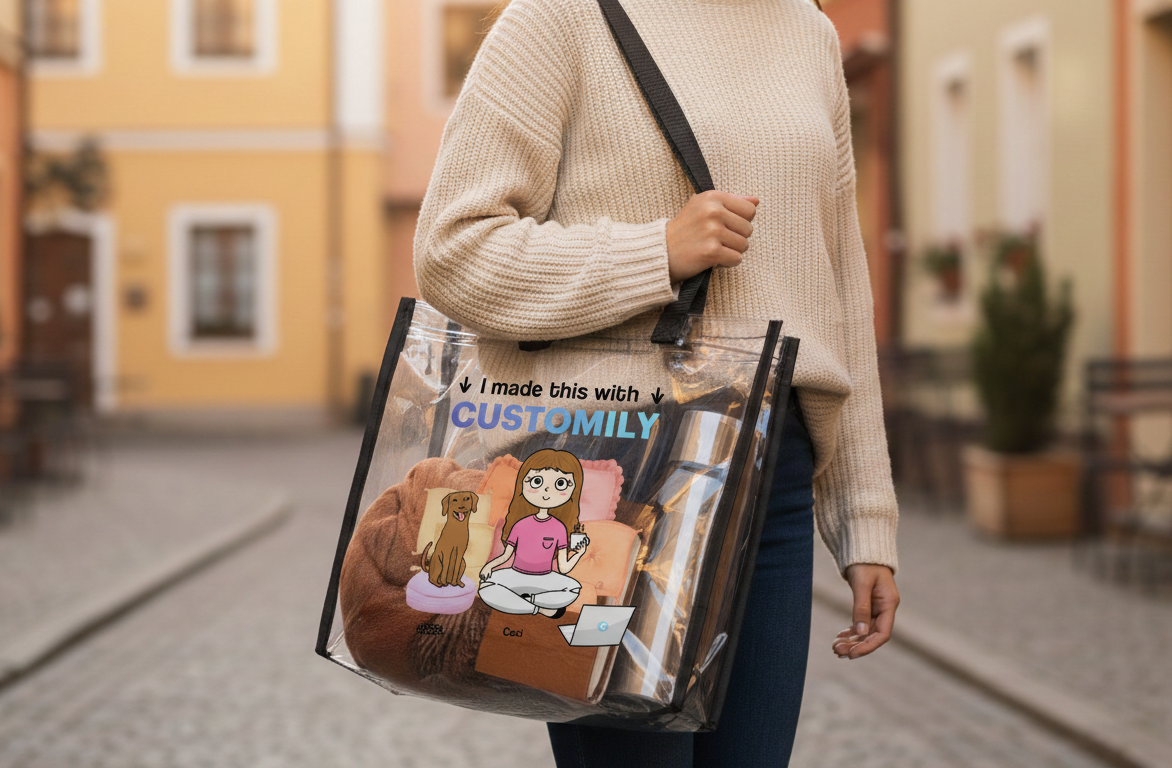
Instead of selling a fixed design, you offer a product that becomes unique to each buyer. A necklace might include a child’s name. A poster might show the coordinates of a meaningful place. A blanket might feature a family photo.
The emotional value of the product becomes the differentiator.
Why Personalization Requires the Right Technology
Of course, offering personalized products is not as simple as asking customers to type their name into a text field.
To create a smooth buying experience, shoppers need to see exactly what they are purchasing before they place their order.
Modern personalization systems rely on three key components:
- Live previews that update instantly as customers customize the product.
- Automated production files that reflect each unique order.
- Integration with fulfillment providers so orders can be produced without manual intervention.
Without automation, personalized products quickly become difficult to manage.
This is where dedicated product personalization software becomes essential.
Platforms like Customily allow e-commerce sellers to transform standard product listings into interactive customization experiences.
Customers can personalize products visually while the system automatically generates the final production files needed for printing or engraving.
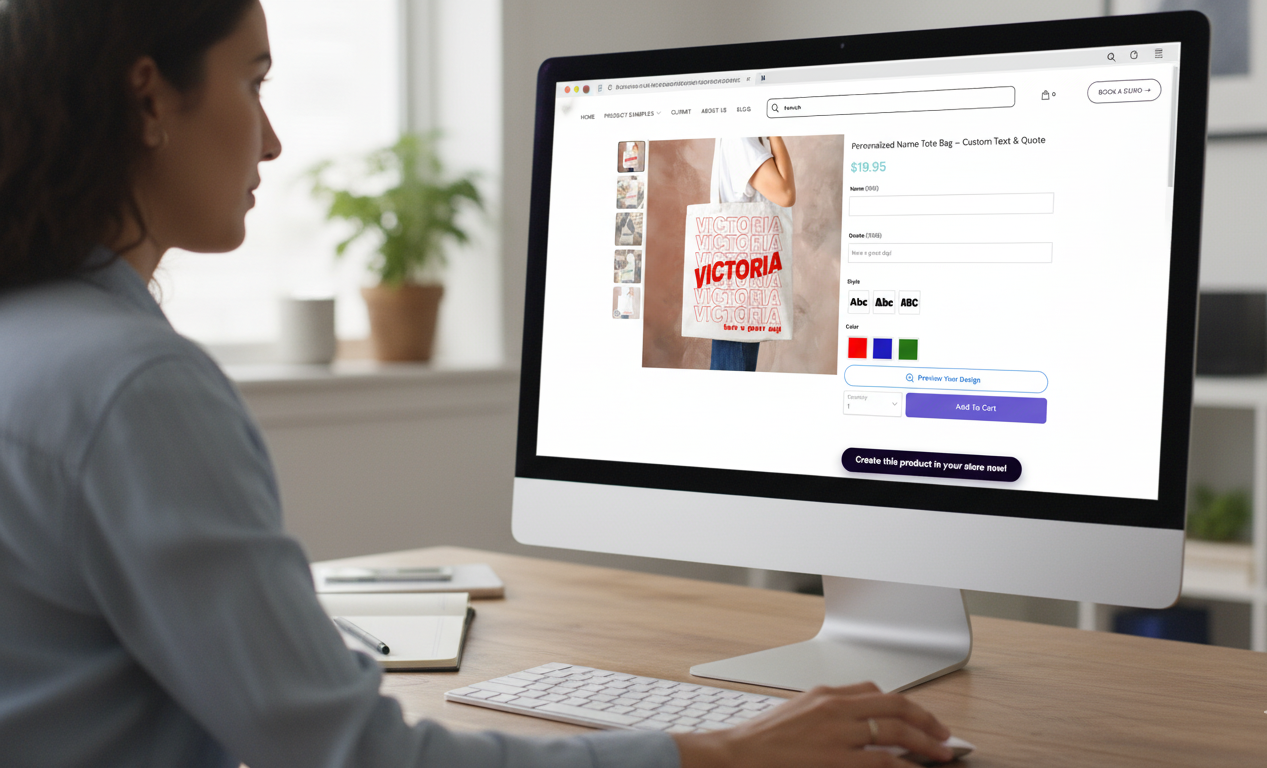
If you want to see how this type of experience works from a customer’s perspective, you can try a live demo below.
Live personalization demo of a Personalized Name Tote Bag
Experiencing the customization process firsthand helps illustrate why personalized products convert so effectively.
Why Personalized Products Works Especially Well With E-commerce and Print on Demand
Print on demand and personalization complement each other perfectly.
Print on demand eliminates inventory risk, allowing sellers to experiment with product categories. Personalization adds emotional value and differentiation to those products.
Together, they create a model where stores can launch unique products without manufacturing complexity.
Fulfillment partners like teelaunch handle the production and shipping, while personalization platforms manage the customization experience and production file generation.
In the next article of this series, we’ll explore how personalization software works and how tools like Customily enable e-commerce stores to sell customizable products at scale.